










Internet in Texas: a buyer's guide
Everything you need to know about choosing an ISP in Texas — fiber availability, the fastest providers, rural options, and business connectivity.
The Texas broadband landscape
Internet availability in Texas reflects the state's geography. Major cities have multiple fiber and cable providers competing on speed and price. Suburban areas typically have 2-4 options including national carriers. Rural TX households often rely on fixed wireless, satellite, or DSL — though Starlink and 5G home have dramatically improved rural options since 2023. Statewide, fiber availability sits at a growing share, with new deployments adding coverage every quarter.
Everyone knows that you don't mess with Texas. Maybe it's all the cowboys. Maybe it's all those friends in low places. Or maybe, just maybe, it's because the internet in Texas is pretty darn good. With 224 internet providers, Texas has more companies working to bring you internet than any other state. The average download speed in Texas is 94.66 Mbps, which puts the Lone Star State at 10th in the U.S. Coverage is a different story though. From the panhandle to the Rio Grande, fiber covers just 11 percent of the state. On the other hand, cable and DSL both only cover 86 percent of Texas. So, internet in Texas is far from perfect, but don't go saying that around any proud Texan streamers or gamers.
Fastest internet in Texas
Fiber is the fastest internet technology in Texas, with multi-gigabit residential plans available in select markets. Cable plans typically top out at 1.2 Gbps download. 5G Home Internet from T-Mobile and Verizon delivers 100-300 Mbps with no install. For raw speed, look for fiber from AT&T, Frontier, Verizon Fios, Google Fiber, or your local fiber co-op depending on which carrier serves your city.
Internet for rural Texas
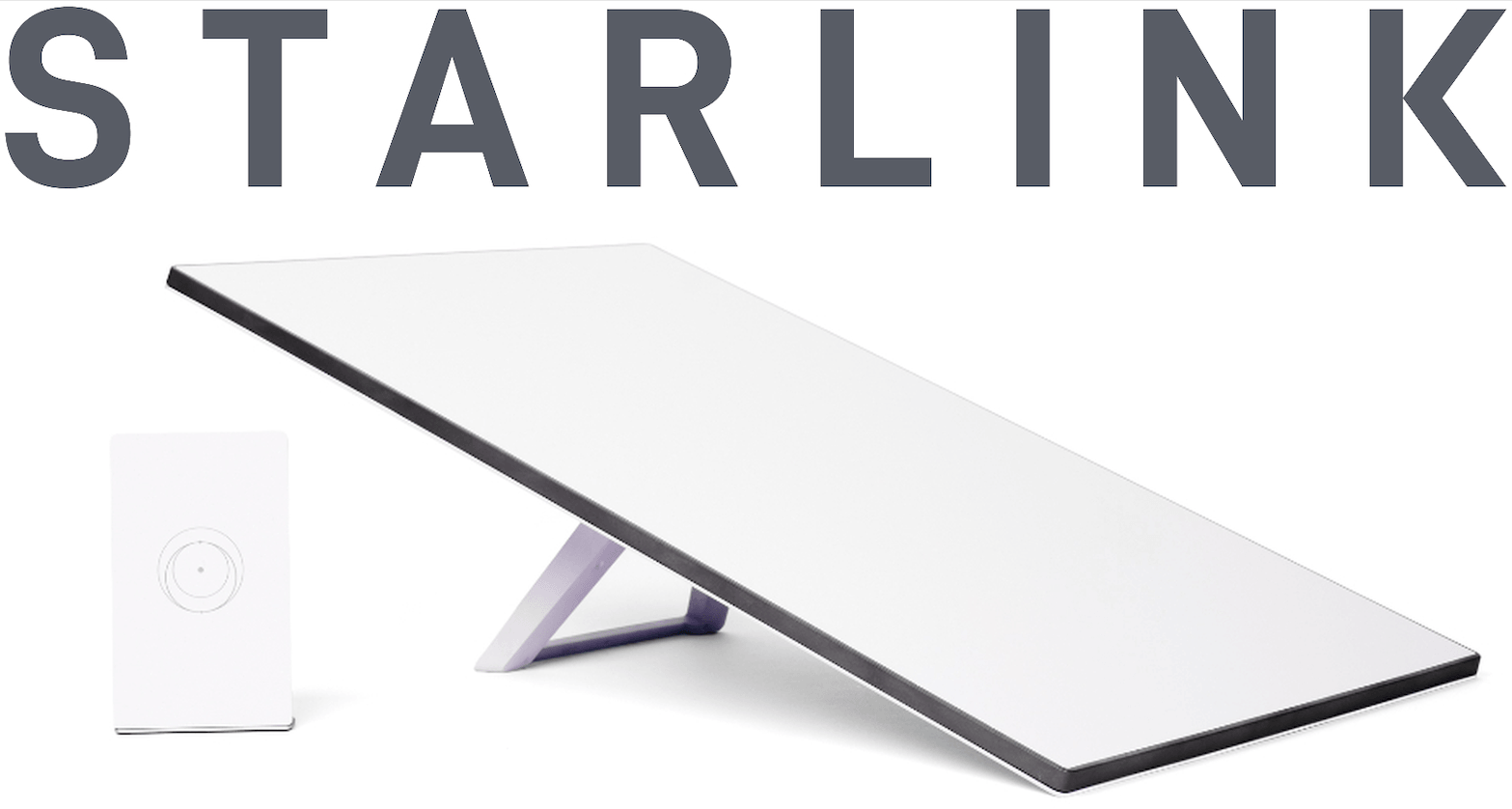
Rural Texas has historically been under-served, but 2026 brings more options than ever. **Starlink** offers 100-250 Mbps satellite anywhere with a clear sky view — install yourself in 30 minutes. **T-Mobile and Verizon 5G Home** require a strong cell signal but no contracts or installer visits. **Local WISPs** (wireless ISPs) cover specific TX counties with fixed-wireless point-to-point service. Federal RDOF and BEAD funds are also bringing fiber to previously unreached parts of Texas through 2026-2028.
Business internet in Texas
Texas businesses have access to enterprise fiber from AT&T Business, Lumen, Spectrum Business, Comcast Business, and regional fiber providers. Dedicated Internet Access (DIA) circuits with SLAs start around $300/mo for symmetrical 100 Mbps. SD-WAN and SASE solutions are widely deployed across TX commercial real estate. For small businesses and home offices, business-class cable and fiber from the consumer providers on this page typically meet the need at a 30-50% price premium over residential.